Equipment & instrumentation
The lab is equipped for end-to-end composite research - from specimen fabrication to mechanical and thermal characterisation.
Mechanical Testing
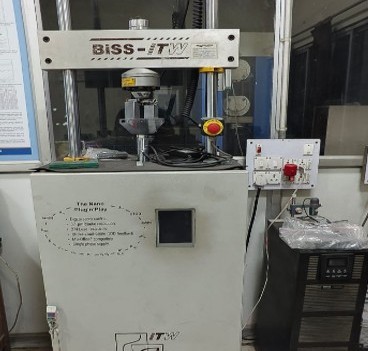
Fatigue Testing Machine
Servo-controlled cyclic loading system capable of constant-amplitude and variable-amplitude fatigue loading on composite coupons. Used to generate S-N fatigue life curves, track stiffness degradation cycle-by-cycle, and study progressive damage accumulation - matrix cracking, delamination onset and fibre breakage - under tension-tension, tension-compression and fully reversed loading.
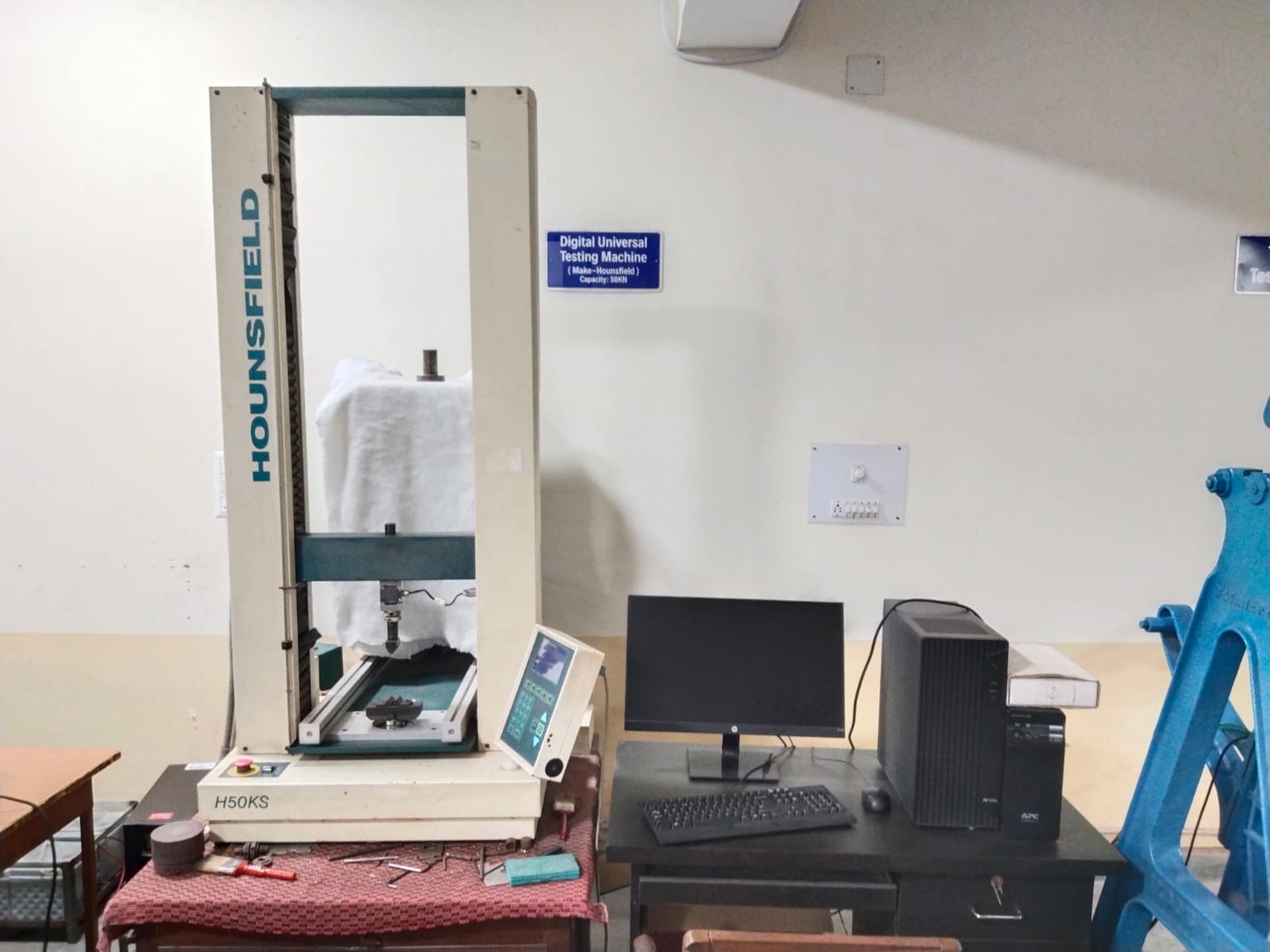
Hounsfield Universal Testing Machine (UTM)
Computer-controlled universal testing machine used for tensile, flexural, compression and interlaminar shear strength (ILSS) testing of composite specimens as per ASTM/ISO standards. Equipped with interchangeable load cells and grips for laminates, coupons and bonded joints, with real-time load-displacement acquisition for stiffness and strength evaluation.
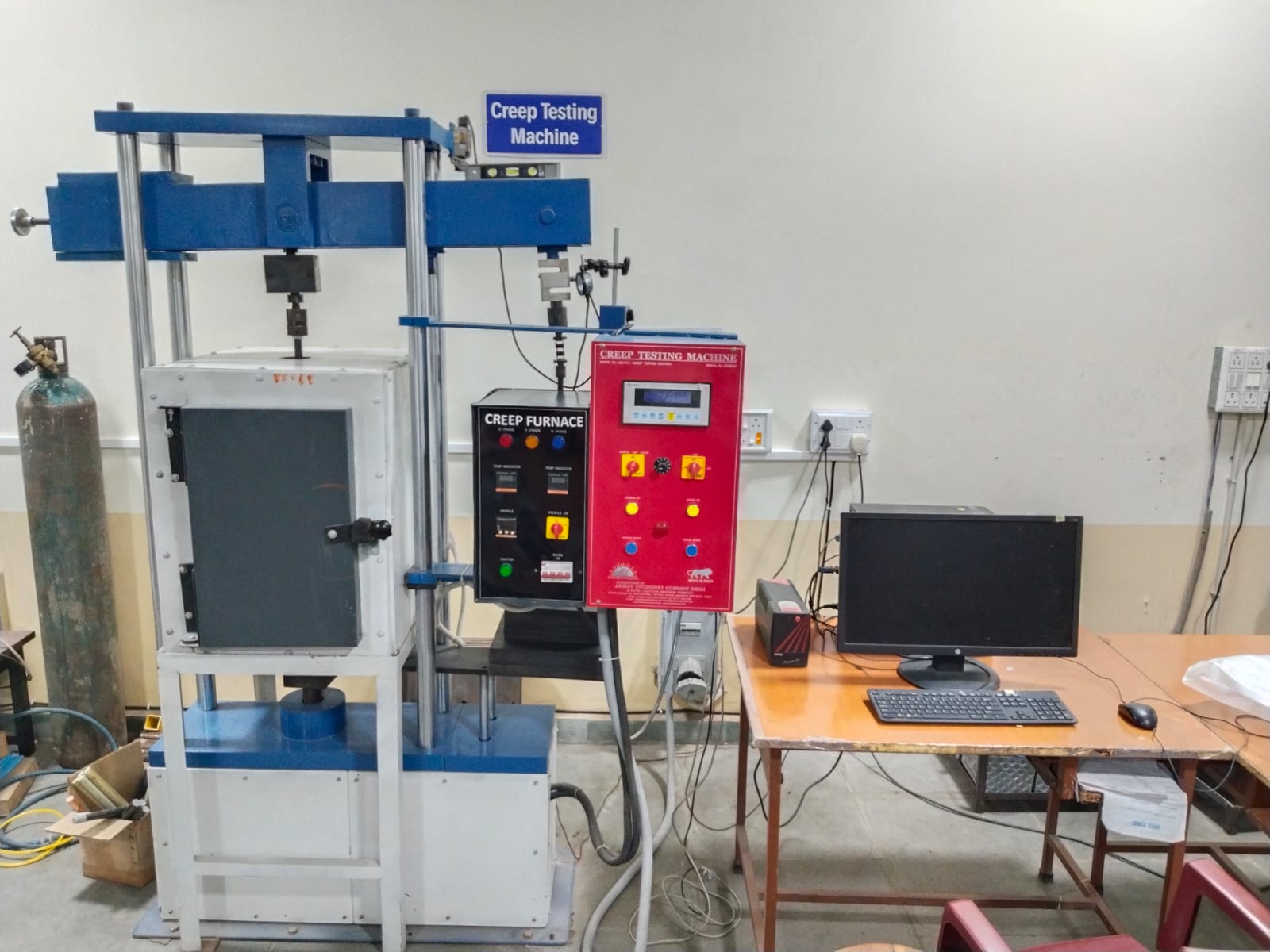
Creep Testing Set-up
Dead-weight and lever-arm creep rig for applying sustained static loads to composite specimens over extended durations. Used to characterise time-dependent viscoelastic deformation, creep strain rate and long-term dimensional stability of polymer composites under service-representative loads, including at elevated temperature.
Fabrication
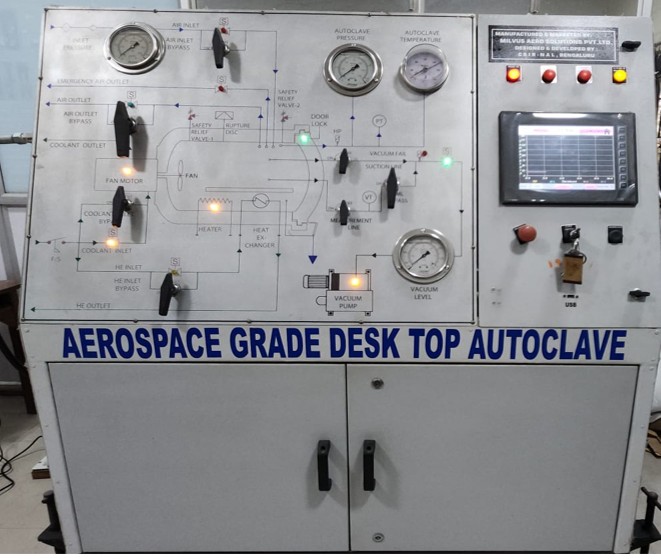
Autoclave
High-pressure, temperature-controlled autoclave chamber for curing prepreg and vacuum-bagged composite laminates. Uniform heat-up and pressurisation cycles consolidate plies, minimise void content and achieve high, consistent fibre volume fractions for aerospace-grade structural composite parts.
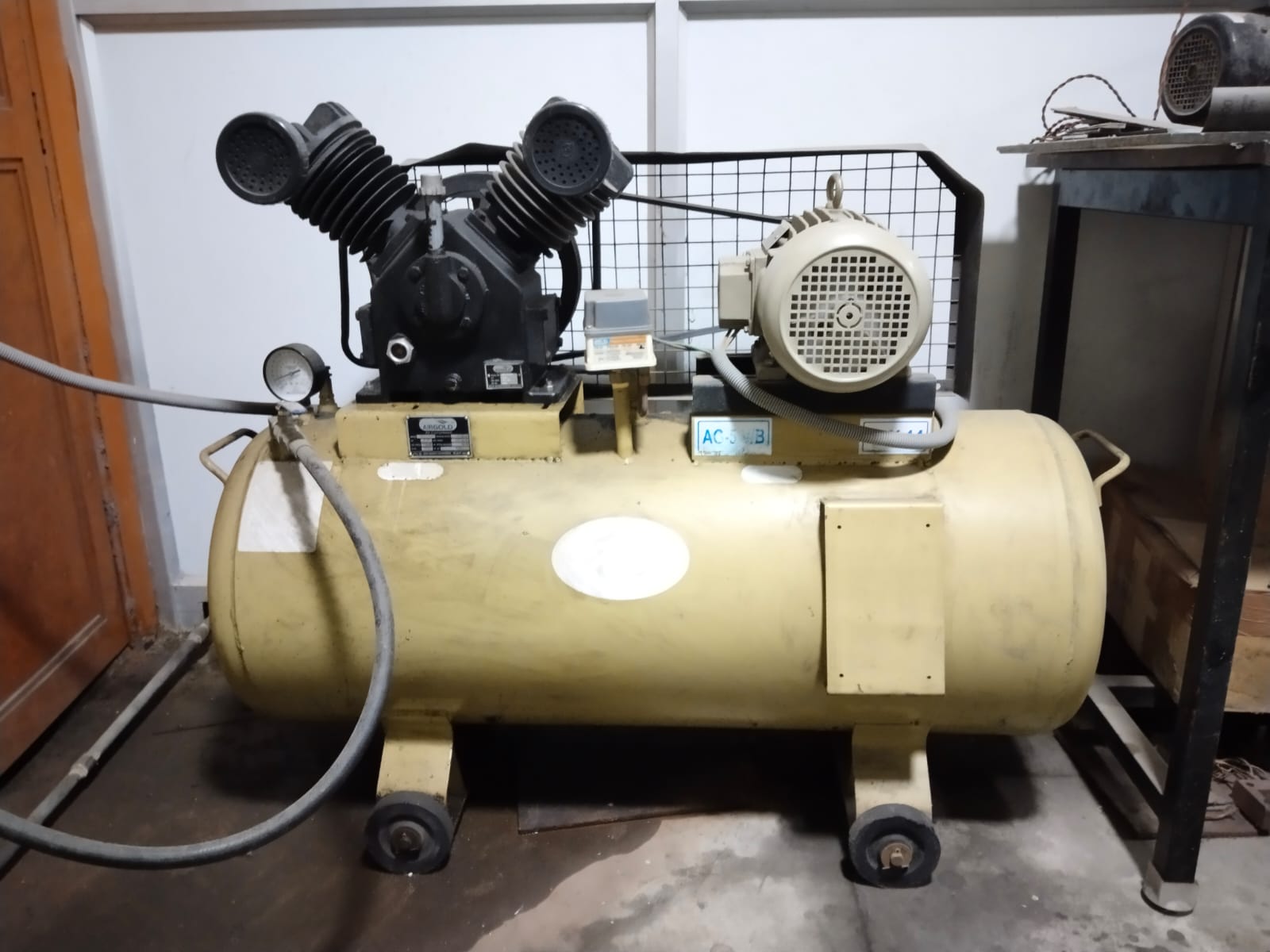
Autoclave Compressor Unit
Dedicated air compressor that supplies and regulates the pressurised air driving the autoclave curing cycle. Maintains the stable working pressure required through the hold and cool-down stages of the cure, ensuring consistent laminate consolidation and repeatable part quality across cure runs.
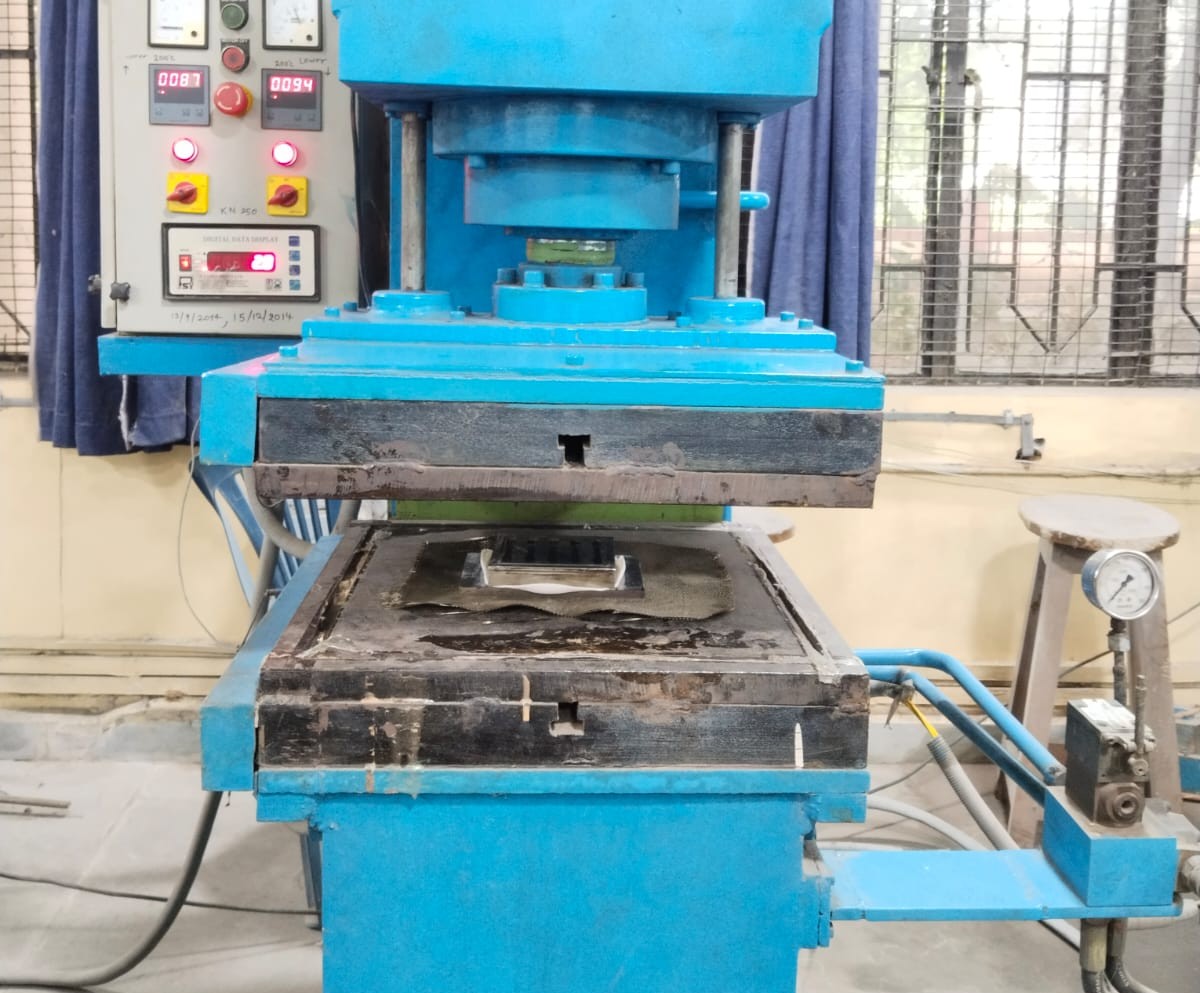
Compression Molding Machine
Hydraulic hot-press unit that consolidates fibre-reinforced sheet moulding compounds and prepreg stacks between heated matched-metal dies under controlled pressure and temperature. Enables rapid, repeatable fabrication of flat and near-net-shape composite laminates with uniform thickness, high fibre volume fraction and low void content for mechanical test coupons and prototype parts.
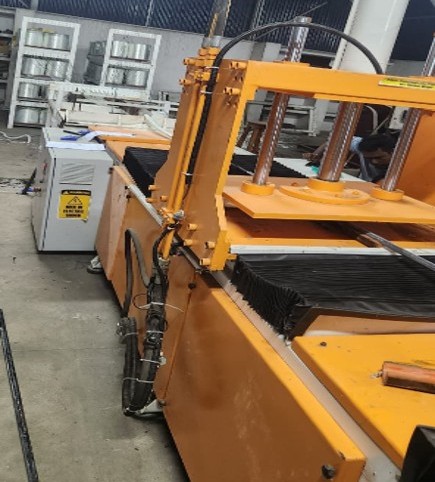
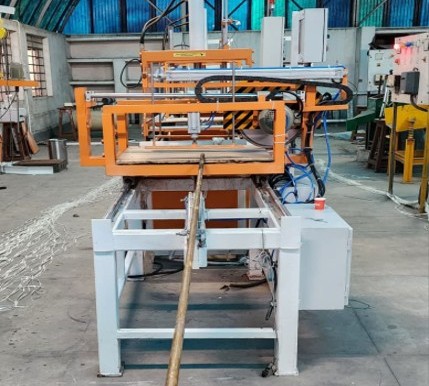
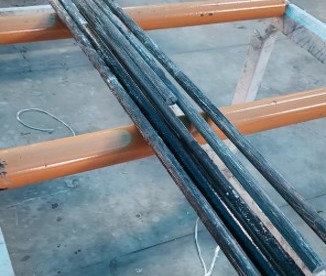
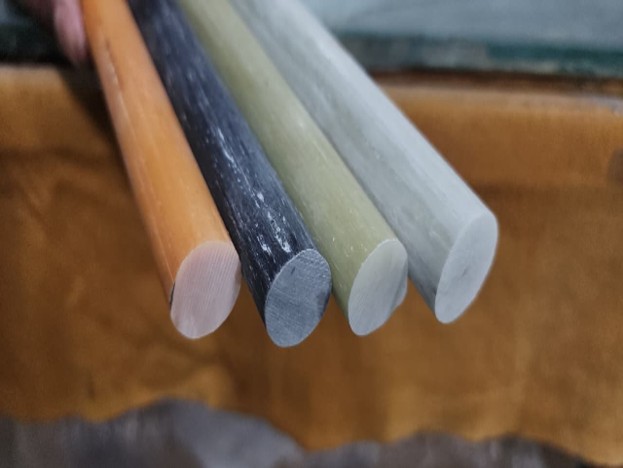
Pultrusion Set-up
Continuous pultrusion line that pulls resin-impregnated fibre rovings through a heated die to produce constant cross-section FRP profiles - including rods and rock bolts - at controlled pulling speed and cure temperature for consistent fibre alignment and mechanical performance in structural applications.
Characterisation
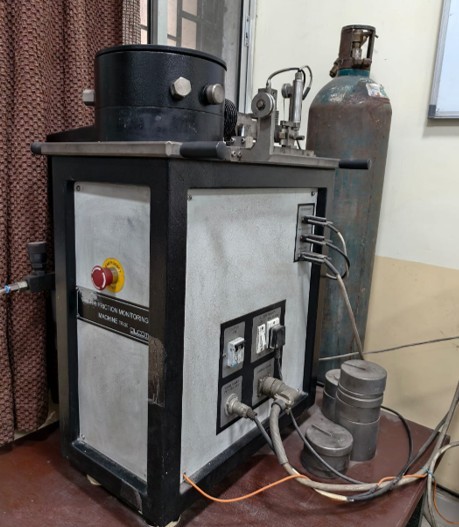
Pin-on-Disk Tribometer
Sliding wear and friction rig in which a stationary pin specimen is loaded against a rotating disk under controlled normal load, sliding speed and environment. Measures coefficient of friction, specific wear rate and wear mechanisms of composite and filler-modified surfaces under dry, lubricated and abrasive sliding conditions.
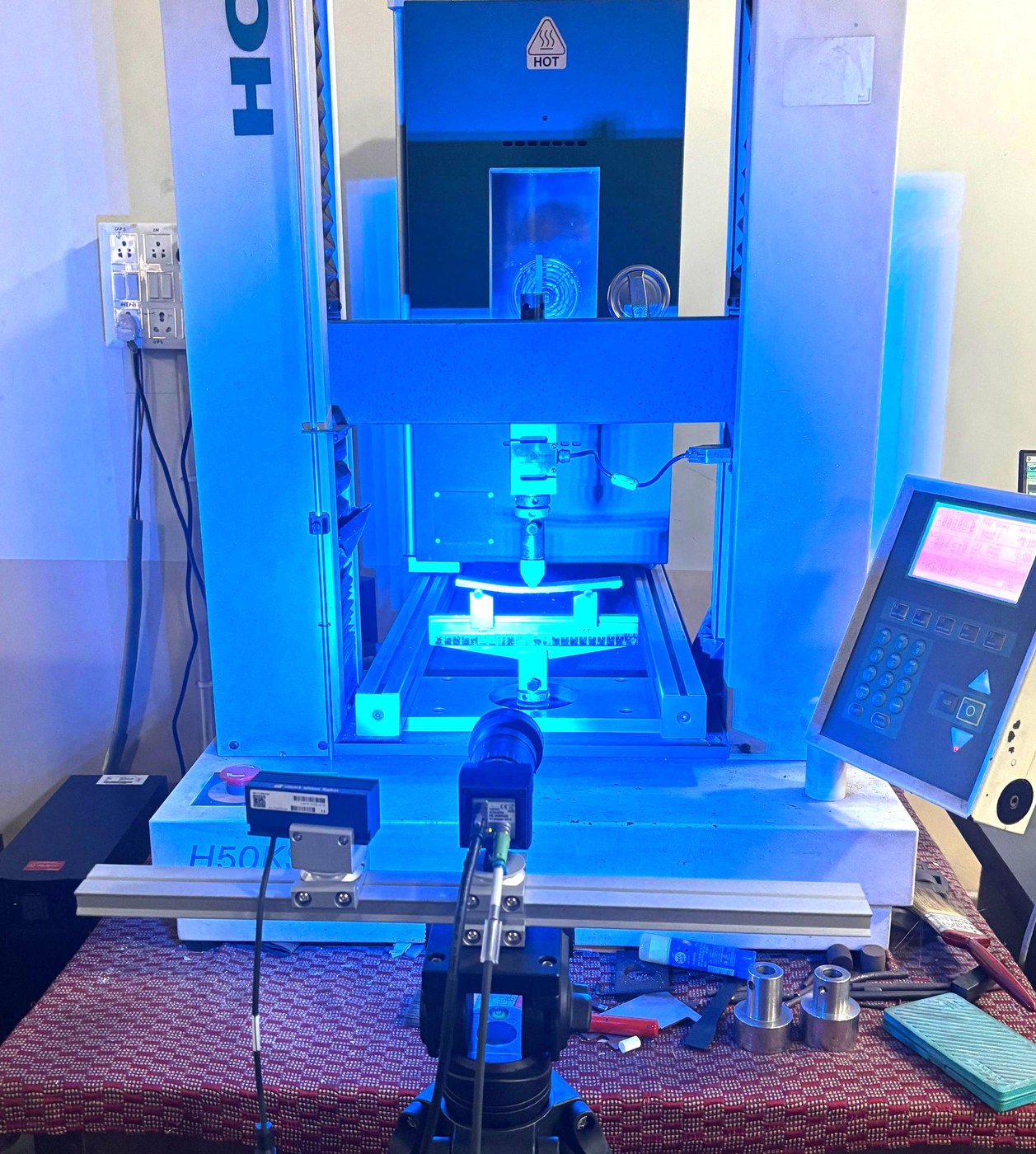
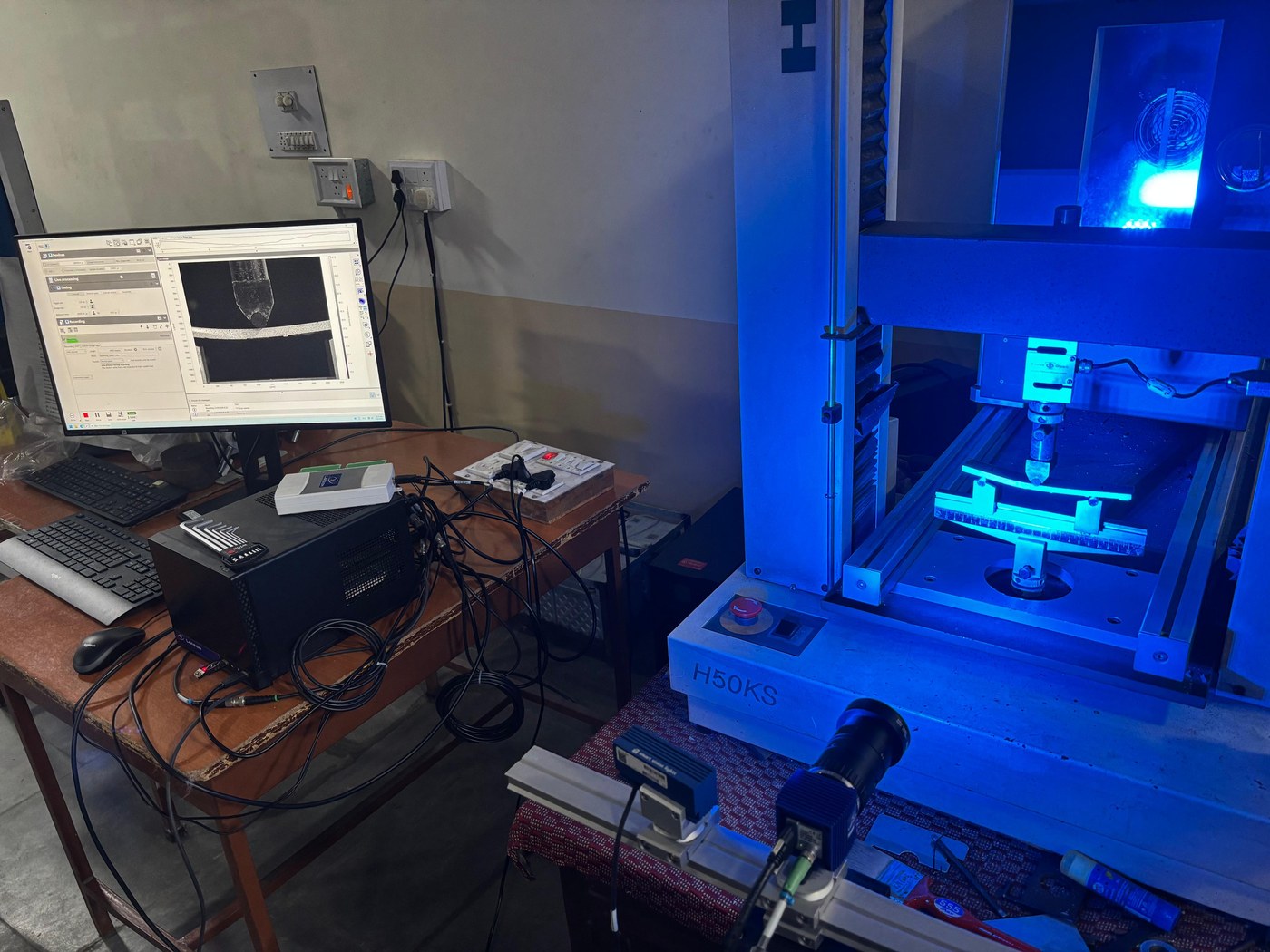
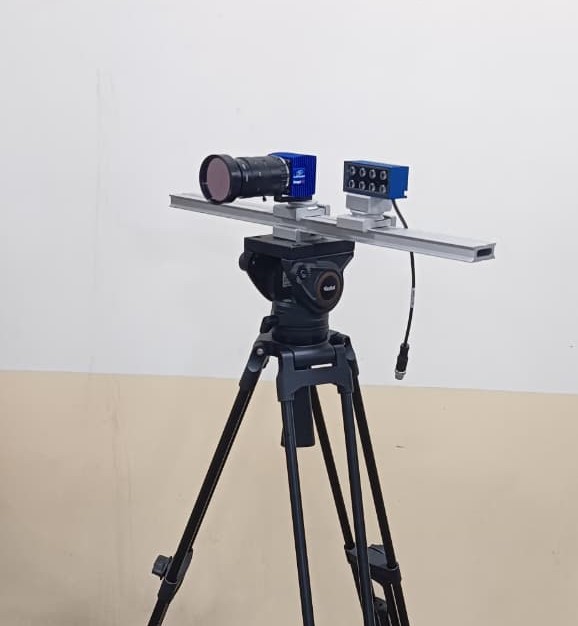
Digital Image Correlation (2D)
Non-contact optical measurement system that tracks a speckle pattern on the specimen surface through paired camera images to compute full-field displacement and strain during mechanical testing. Used alongside the UTM and fatigue rig to map strain concentrations, detect local damage initiation and validate finite-element strain predictions.